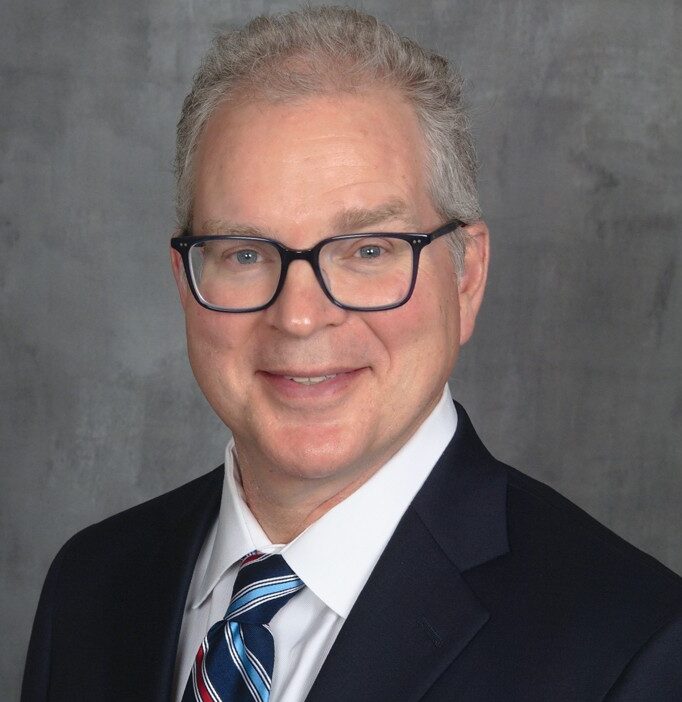

“If your health plan or employer offers care management, take advantage of this resource to protect your continued health and well-being.”
Adam Ligas, MD – Medical Director
Health care can be hard to manage. You may have many appointments, multiple medications, changes in your treatment and different providers giving different advice. We know this can contribute to feelings of stress especially if you are living with a long-term condition. Care management can help you feel more supported.
Care managers are trained professionals who can help you understand your health care and help you stay organized. They are a partner who helps understand your specific and unique goals so that you can achieve coordinated your care, get answers to your questions and make sure that you do not miss important steps in your treatment.
What care management means
A care manager works with you, your providers and your health plan. A care manager can help with:
- Medical care
- Mental health needs
- Substance use treatment
Your care manager can also help you:
- Schedule appointments
- Get support after a hospital stay
- Review your medicines
- Understand what to do next
Care management is personal. It focuses on your whole health, not just one part.
Why follow-up care matters
Making sure that you have access to high quality follow-up care is one of the most important parts of the care manager’s role. After a hospital stay, an emergency visit or appointment you might receive a new diagnosis or new treatment needs, and so you may feel unsure about what comes next. The first few weeks are important. Missed appointments or confusion about medication can slow your recovery.
During these times, a care manager can help:
- Reduce your chances of returning to the hospital
- Lower your risks from serious conditions
- Lower stress for you and your family
- Help find and access resources that make a difference in your treatment journey
When care is well coordinated, you will have fewer health setbacks and fewer complications.
Care management also helps reduce unnecessary trips to the emergency room. Studies show that people who receive help from care managers are hospitalized less often and have lower health care costs. They have fewer disruptions to their lives and to their treatment. Most importantly, they stay healthier at home.
If you have a chronic condition, a care manager can help you follow your treatment plan, manage your medication and build healthy routines. If you have behavioral health needs, the care manager can help connect you to the right level of support and make sure follow-up visits happen. They can help you stay on top of your goals and build the resources you need to keep your recovery going.
Care managers also help prevent repeated tests or confusing referrals. Better coordination saves time and makes care easier to understand.
Support during urgent moments
Many care management programs offer crisis support 24 hours a day. This means you can get help when a situation feels urgent. Having someone to call can reduce risk and help you get the right care quickly.
A good relationship with a care manager also helps you move smoothly between providers. When information is shared and follow-up is planned, you are less likely to face delays or miss important steps.
Why care management helps
Care management helps you:
- Get the right care at the right time
- Understand your treatment plan
- Use your medication safely
- Build healthy habits
- Reduce hospital visits
- Lower stress for you and your caregivers
- Tailor resources to your needs and your goals
Care management helps create a safer, smoother health journey. It supports better long-term health and reduces complications over time.
If your health plan or employer offers care management, take advantage of this resource to protect your continued health and well-being. If you are a Lucet member, you can connect with more support for specialty care management related to substance use, autism, eating disorders, maternal mental health and childhood/adolescence.
Adam Ligas, MD is a medical director at Lucet.